What You Need to Know
- What are the basic pool fence regulations? The top of a pool fence must be at least 1200mm high, and all gates must be self-closing and open away from the pool area.
- What are the requirements for pool gates? Gates must have a self-closing latch at least 1500mm above the ground. The gap around a gate should not exceed 10mm.
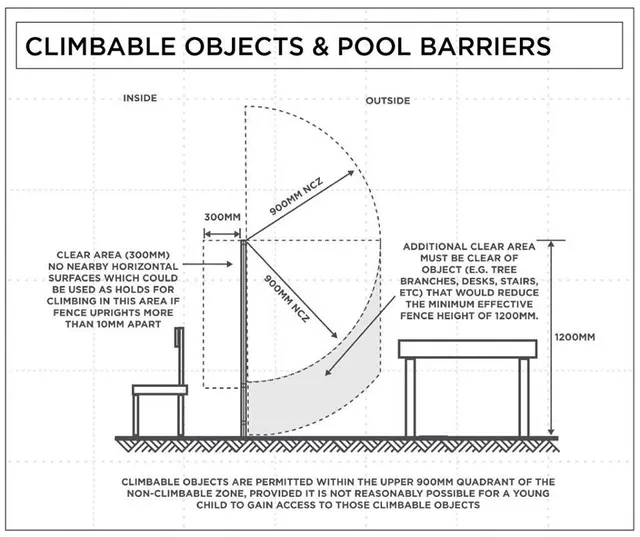
- What is the “non-climbable zone”? There should be no objects within 900mm of the pool fence that could be used to climb over it. This includes items like planters, taps, and furniture.
- What are the regulations for gaps in the fence? The gaps between panels or under the fence should be no greater than 100mm.
- Are there specific requirements for selling or leasing a property with a pool in Queensland? For a Queensland property with a non-shared pool, a pool safety certificate must be in effect before a lease is entered into. On a sale, the seller gives the buyer a current certificate before settlement or, if one cannot be obtained, lodges Form 36 with the QBCC and gives the buyer a copy before settlement. The buyer then has 90 days after settlement to obtain a certificate. Shared-pool rules differ, and the pool barrier must comply at all times. See the QBCC guidance below.
Swimming pool drownings and immersions represent the biggest cause of accidental death for young children in Australia – and most occur in private backyard swimming pools. Each State and Territory has its own set of pool fencing regulations and guidelines which are designed to reduce the risk of such accidents occurring. Making sure that your pool fencing complies with your state law and that young children are supervised at all times should eliminate most possibilities of an under 5-year old from getting into difficulty… or worse.
These simple rules restrict small children from entering a swimming pool or spa area:
- The top of a pool’s fence should be at least 1200mm from ground level
- All gates must be hinged to open away from the pool area
- Gates must be self-closing from any opened angle
- A self-closing latch must be fitted to each gate. If it is outside the pool area, then it must be at least 1500mm above ground level.
- The bottom and side gaps between the glass panel and another panel, wall or floor should be no greater than 100mm
- Any gap around a gate should not exceed 10mm
- Latched gates must remain closed when slammed or pulled
- There should be no objects within 900mm of the pool fence since they could be used to climb on to gain access to the gate latch or provide a foothold to climb over the fence itself. Common objects which could be used to climb are drainage downpipe brackets, wall-mounted taps, low window ledges, power points, plant pots, shrubs, ornamental rocks and items of furniture.

Some additional safeguards that are legislated for but sometimes neglected, making your pool non-compliant:
- A visible First Aid sign which shows methods of CPR and the emergency call number ‘000’
- An unlatched, very slowly-closing or propped open gate
- Conductive materials within 1250mm of the water will require electrical earthing
- Overhanging foliage which constitutes a climbable object
- A gate which blows open or doesn’t close fully when it is windy
Australian Standard for Pool Fencing Laws & Regulations
Pool fencing laws, regulations and penalties differ from state to state, as do their application to newly- installed swimming pools, existing pools and certain types of dwellings and property layouts. Because of this, it is important to have a local Pool Safety Inspector’s advice on areas of question who will also be able to inform you of exemptions.
Owners Selling or Leasing a Property with a Pool
Queensland’s requirements differ for non-shared and shared pools. For a non-shared pool, a pool safety certificate must be in effect before a lease is entered into. When selling, the seller gives the buyer a current certificate before settlement. If a certificate cannot be obtained, the seller must lodge Form 36—notice of no pool safety certificate—with the QBCC and give the buyer a copy before settlement. The buyer must obtain a certificate within 90 days after settlement. Shared pools have different responsibilities, usually involving the body corporate. See the QBCC guidance on buying, selling or leasing a property with a pool for those rules and for auction sales. Form 36 does not excuse a non-compliant pool barrier.
Owners or buyers of properties with pools can check to see if the pool has been registered with the QLD Pool Safety Register. This register lists all pools that hold current Pool Safety Certificates alongside a current list of approved pool safety inspectors.
Renovating/Upgrading Your Pool Area
Whether you are purchasing a new home with a ‘Form 36 Notice of No Pool Safety Certificate’ or you are an existing pool owner who needs to upgrade your current pool fencing to meet the new regulations, or you simply wish to modernise your pool area, Aqua Vista Glass can help.
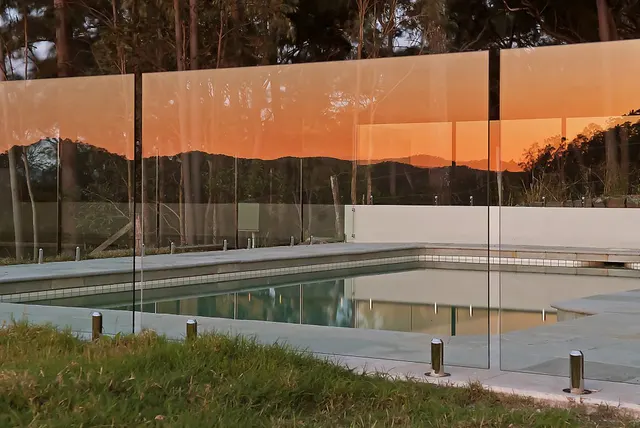
We sell only the highest quality glass pool fencing, that not only meets all new Qld pool safety laws, but also looks fantastic to boot! Glass pool fencing has distinct advantages over aluminium railing fencing, as there are no gaps that can act as hand holds, and is extremely tough and durable.
Glass pool fencing is also aesthetically pleasing and will enhance your home’s beauty by not obstructing your views. Our in-house team of experienced designers and installers can have your new pool fence installed in no time at all; allowing you to enjoy the quality and peace of mind only an Aqua Vista Glass pool fence can deliver.